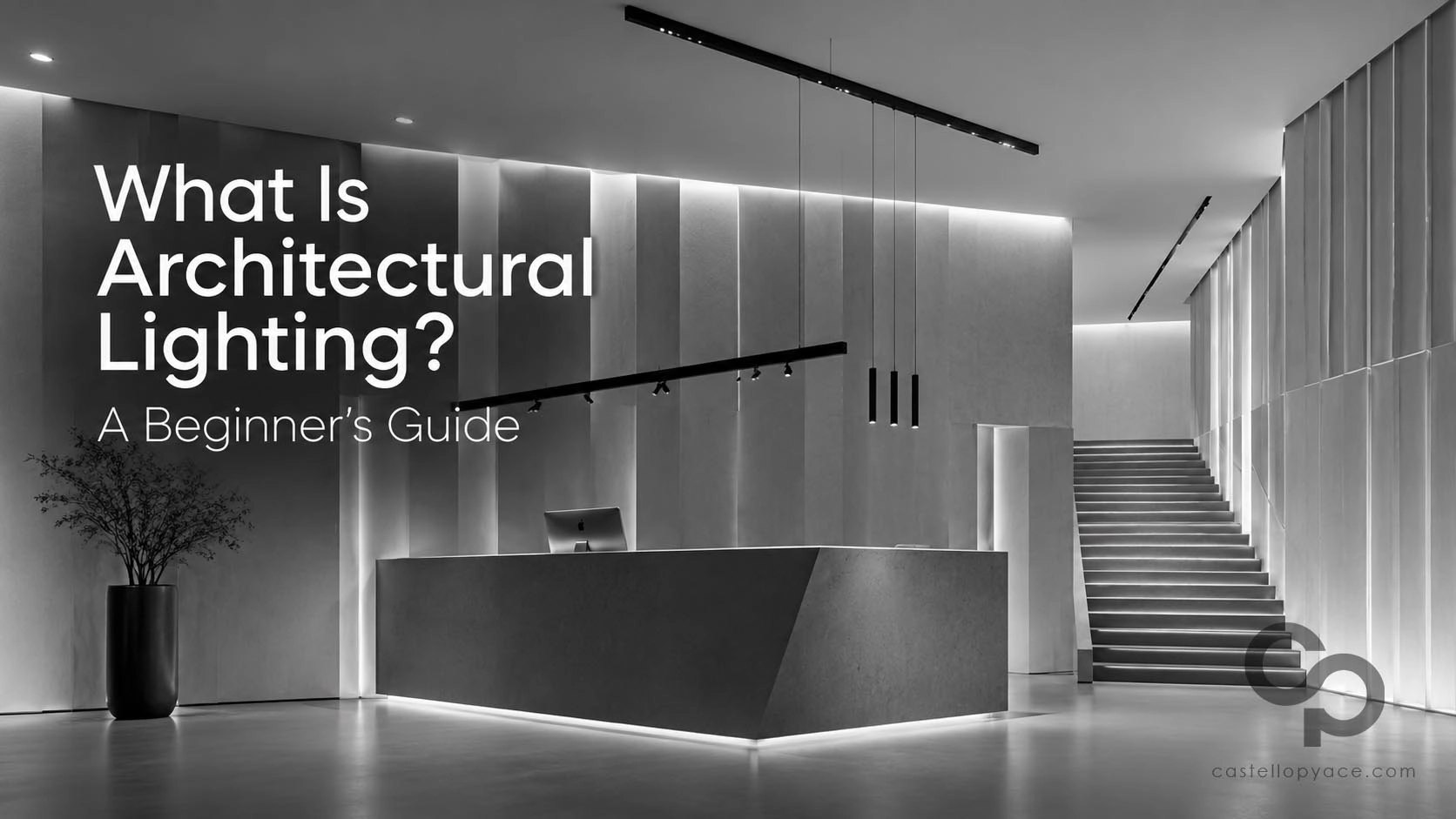
What Is Architectural Lighting? A Beginner’s Guide
A beautifully designed room can still feel unfinished when its lighting is poorly planned. The materials may be well chosen, the furniture well placed, and the details carefully finished, yet the space can still lack warmth, depth, or visual balance. That gap is exactly what Architectural Lighting is meant to close.
Architectural lighting is more than installing attractive fixtures or making a room bright enough to use. It means planning and directing light so that a space works well, its architectural features stand out, and people experience their surroundings in the intended way.
Architects, interior designers, and homeowners all benefit from knowing the basic principles, because they help create interiors that look good and work well.
What Is Architectural Lighting?
Architectural lighting is the planned use of natural and artificial light to improve the functionality, appearance, and experience of a building or interior space. It considers how light interacts with walls, ceilings, materials, furniture, and architectural details.
Unlike general lighting, which often focuses mainly on providing sufficient brightness, architectural lighting considers the overall visual effect. The position, direction, intensity, and quality of light are selected according to the purpose and character of each space.
For example, a living room may benefit from soft indirect lighting that creates a relaxed atmosphere, while a kitchen requires more focused illumination for food preparation. In a luxury villa, carefully positioned lighting can also reveal the texture of natural stone, emphasize a staircase, or draw attention to a distinctive ceiling design.
In practice, architectural lighting blends technical planning with creative judgment. The goal is less about lighting every corner and more about deciding what should be seen, where the eye should go, and how the space should feel.
Why Is Architectural Lighting Important in Interior Design?
Light has a direct influence on how people perceive an interior. It can make a room appear larger or more intimate, bring out the natural character of materials, and create visual connections between different areas.
A successful lighting scheme supports three main objectives: functionality, visual comfort, and architectural expression.
Functionality comes first. People need appropriate lighting for activities such as reading, cooking, working, walking, and relaxing. The lighting arrangement should support these activities without creating unnecessary shadows or uncomfortable brightness.
Visual comfort is equally important. Strong direct light, reflections on glossy surfaces, and poorly positioned fixtures can cause glare and make a room unpleasant to use. A balanced lighting design considers not only how much light is available but also where it comes from and how it reaches the eye.
Lighting also shapes the visual identity of a building. A carefully illuminated stone wall, a sculptural staircase, or a textured ceiling can become a defining feature of an interior.
The Illuminating Engineering Society (IES) also emphasizes that lighting influences how people perceive their surroundings, including surfaces, objects, furnishings, and architectural details. This makes lighting an important design consideration rather than a finishing detail.
What Are the Three Main Types of Architectural Lighting?
Most interior lighting schemes use three fundamental layers: ambient, task, and accent lighting. Each serves a different purpose, but the strongest results usually come from combining them.
1. Ambient Lighting
Ambient lighting, also called general lighting, provides the overall illumination of a room. It allows people to move around comfortably and gives the space a consistent foundation of light.
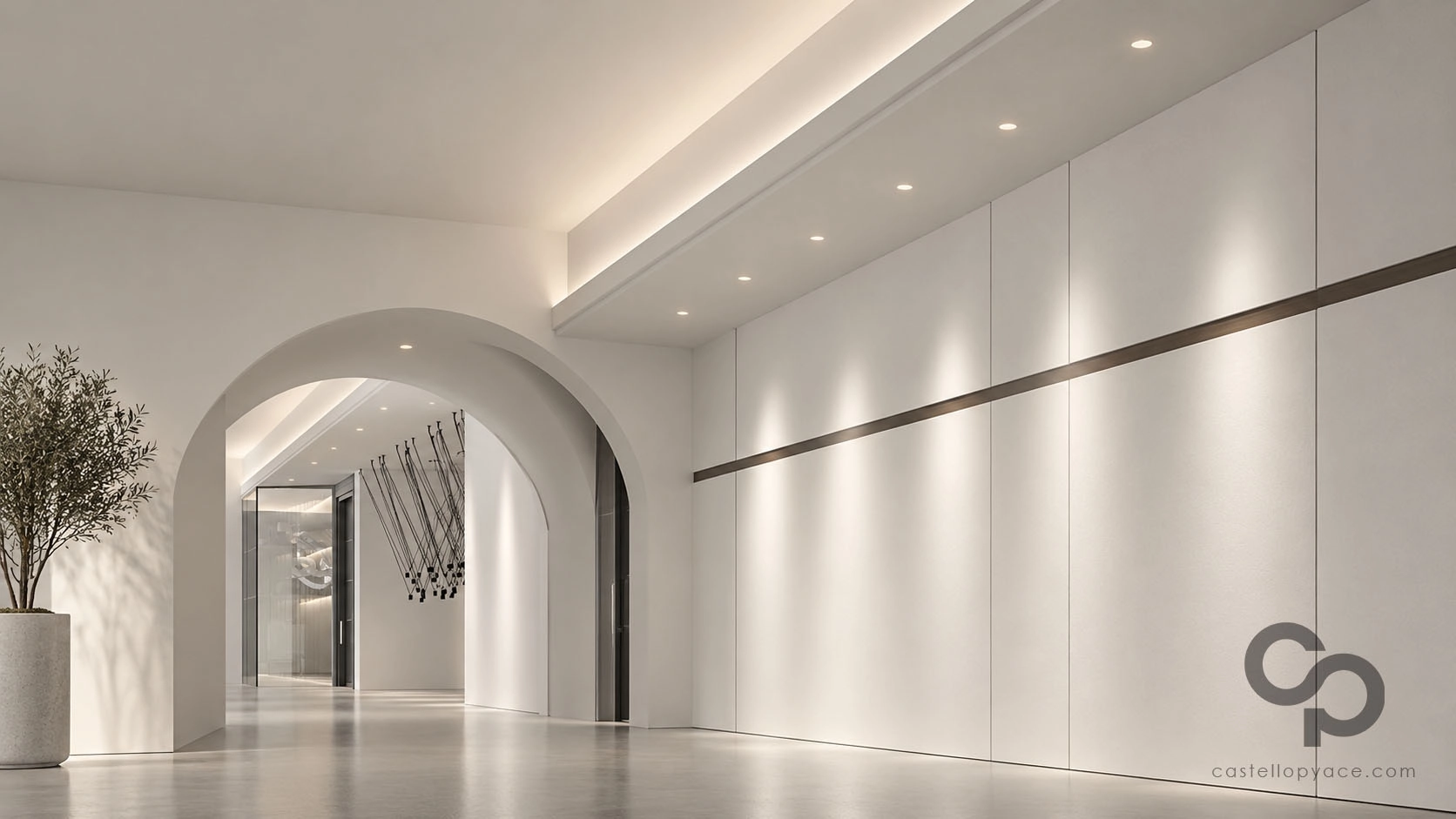
Common examples include recessed ceiling lights, concealed cove lighting, wall-mounted fixtures, and suspended ceiling luminaires.
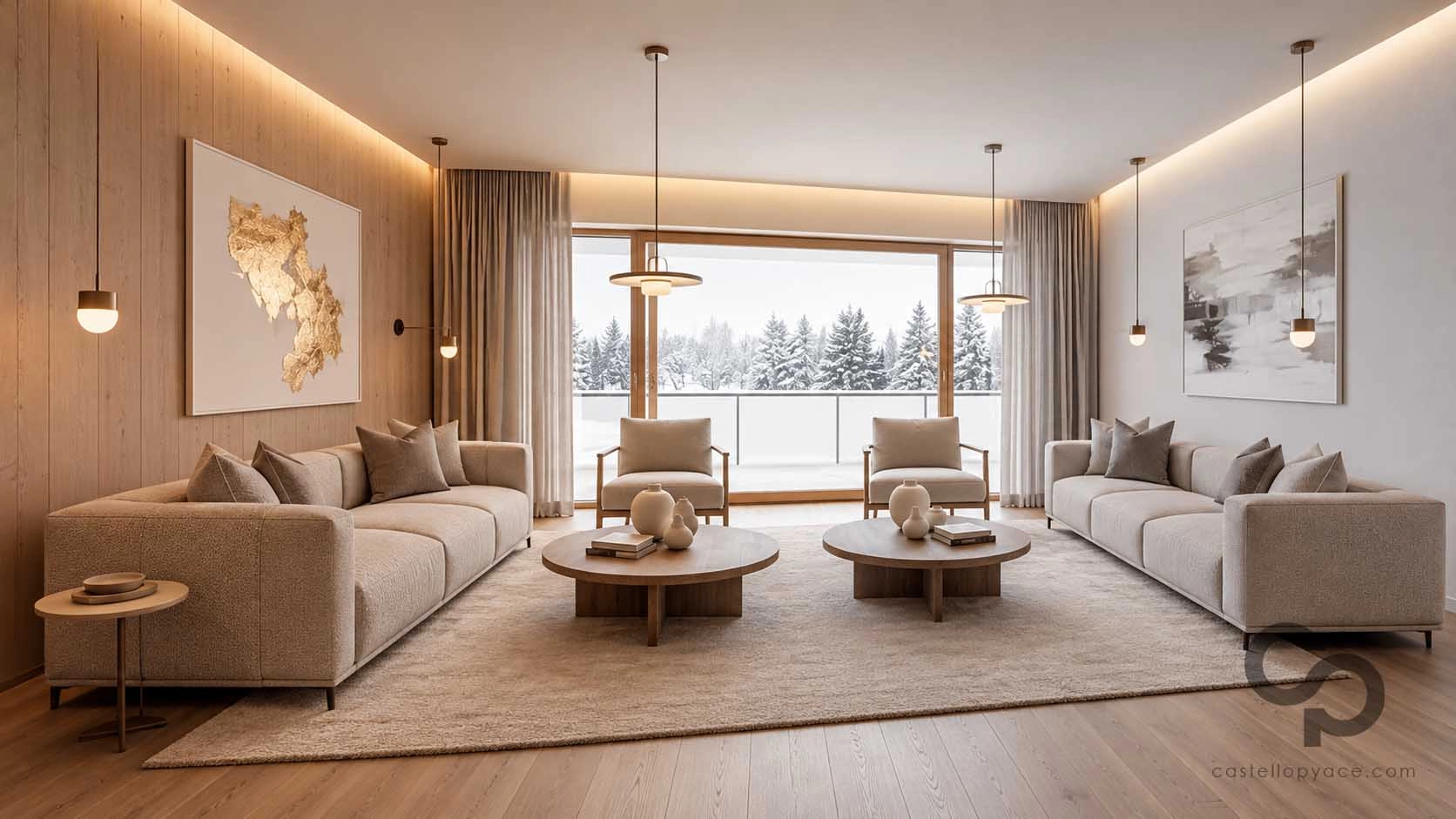
In a contemporary living room, for instance, concealed LED lighting around the ceiling perimeter can create a soft background glow. This can be combined with other fixtures to prevent the room from feeling flat or overly bright.
Ambient lighting should be planned according to the room's size, ceiling height, natural light, and intended use. An arrangement that works well in a compact bedroom may not provide sufficient illumination for a large open-plan living area.
2. Task Lighting
Task lighting provides focused illumination for specific activities. Rather than lighting an entire room, it directs light towards the area where additional visibility is needed.
Typical examples include:
-
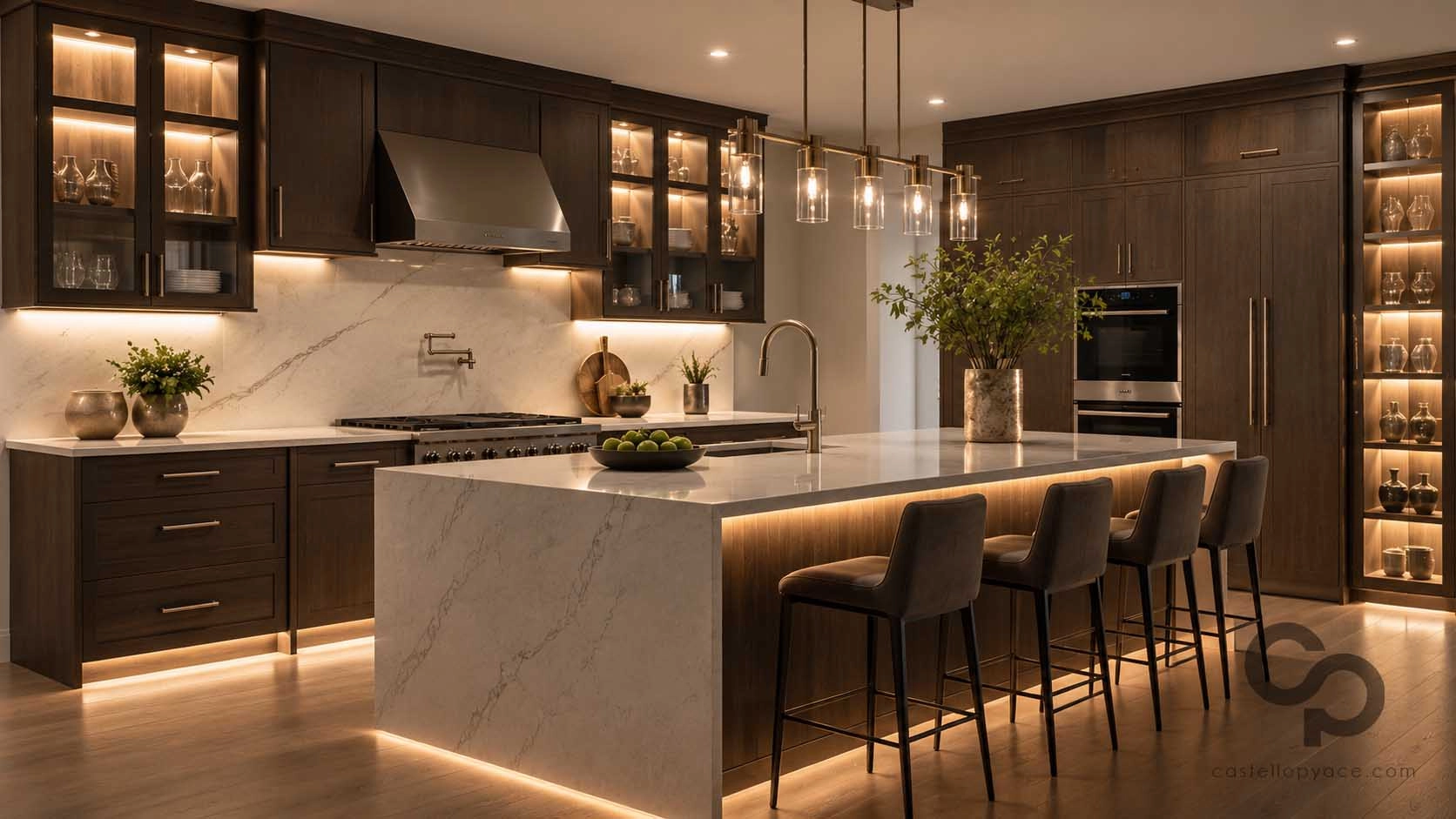
Pendant lighting above a kitchen island.
-
Under-cabinet lighting for food preparation.
-
Reading lights beside a bed or armchair.
-
Desk lamps in home offices.
-
Mirror lighting in bathrooms.
The position of task lighting is particularly important. A poorly placed fixture can cast shadows over the working surface or shine directly into the user's eyes.
In a kitchen, task lighting should illuminate the countertop without the person standing in front of it casting a shadow.
3. Accent Lighting
Accent lighting draws attention to selected objects, surfaces, and architectural features. It introduces visual hierarchy by making certain elements more noticeable than their surroundings.
Wall washers, adjustable spotlights, track lighting, and recessed directional fixtures are commonly used for this purpose.
In a luxury interior, accent lighting can highlight a marble feature wall, artwork, decorative shelving, or the texture of a natural stone surface. It can also emphasize vertical architectural elements and create a sense of depth.
The most effective accent lighting is selective. When every object receives the same level of attention, the visual hierarchy becomes less clear.
Understanding Layered Lighting Design
These three types of lighting are not meant to be used in isolation. They work together to create a balanced environment.
Consider a luxury villa living room. Ambient lighting provides a comfortable overall level of illumination, floor or table lamps offer additional light for reading, and accent lighting highlights artwork or architectural details.
This combination allows the room to serve different purposes throughout the day without relying on a single lighting source.
The California Lighting Technology Center at UC Davis also explains that combining task and accent lighting with ambient lighting adds visual interest without requiring the whole space to be lit at a high level.
Architectural Lighting vs. Decorative Lighting: What Is the Difference?
Architectural lighting and decorative lighting are closely connected, but they have different design priorities.
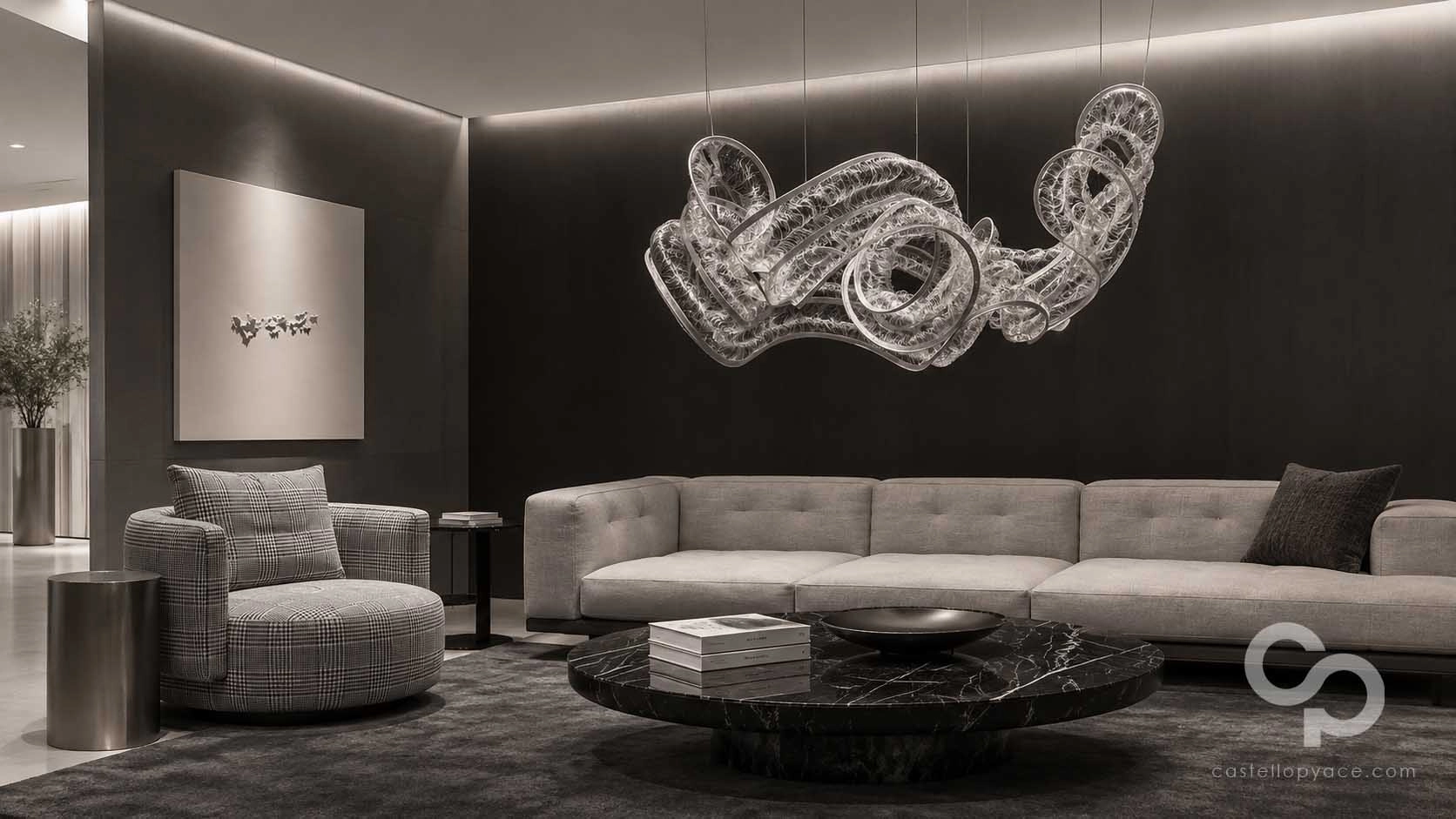
Architectural lighting focuses on how light interacts with the building and its interior. Decorative lighting places greater emphasis on the appearance of the fixture itself and its contribution to the overall aesthetic.
A recessed spotlight integrated into a ceiling is a common example of an architectural lighting element. A sculptural chandelier above a dining table is generally considered decorative lighting because its form and visual presence are central to the design.
However, the distinction is not always absolute. A decorative pendant can also provide functional illumination, while an architectural lighting fixture can become an important visual feature.
In high-end interiors, the two approaches often complement each other. A statement chandelier may establish the character of a dining room, while concealed lighting and carefully positioned spotlights support the architectural details around it.
Fixtures should work together instead of competing for attention.
How Does Natural Light Work with Architectural Lighting?
Natural light enters a lighting design from the very first decision. Windows, skylights, glass doors, and other openings influence how daylight enters a building and how it changes throughout the day.
A well-planned interior considers daylight before deciding where artificial lighting is needed. This can improve the visual quality of a space and reduce reliance on electric lighting when sufficient daylight is available.
For example, a living room with large windows may receive strong natural light during the afternoon but require additional illumination in the evening. A lighting scheme with separate zones and dimmable fixtures can respond to these changing conditions.
Daylight also introduces challenges. Direct sunlight can create glare, strong contrasts, and unwanted heat. Window treatments, shading systems, and lighting controls help manage these effects.
The Illuminating Engineering Society describes daylighting as the planned use of sunlight, diffuse sky light, and reflected exterior light to support the visual and biological needs of building occupants. It also highlights the importance of balancing daylight quality, comfort, and energy performance.
Natural and artificial light work best when they are designed together as one system.
Important Lighting Design Principles and Technical Considerations
Selecting an attractive fixture is only one part of a successful lighting project. The technical characteristics of the light source and the way it interacts with the interior also matter.
A handful of basic concepts makes these decisions much easier for architects and homeowners.
Color Temperature (CCT)
Color temperature describes the appearance of light and is measured in Kelvin (K). It generally ranges from warm, yellowish light to cooler, bluish-white light.
In practice, the ranges look like this:
-
2700K–3000K: Warm white light, often used in bedrooms, living rooms, and hospitality interiors.
-
3500K–4000K: Neutral white light, suitable for spaces that require a balanced appearance.
-
5000K and above: Cooler white light, often selected for environments where a brighter, cooler visual effect is preferred.
These ranges are general references rather than fixed rules. The appropriate color temperature depends on the materials, natural light, activities, and atmosphere intended for the space.
Warm light, for instance, can complement wood, beige stone, and soft fabric finishes, while a different color temperature may be more appropriate for a workspace.
Consistency also matters. Using significantly different color temperatures in connected areas can make an open-plan interior feel visually disconnected.
Color Rendering Index (CRI)
The Color Rendering Index (CRI) indicates how accurately a light source reveals the colors of objects compared with a reference light source. It is commonly expressed on a scale up to 100, with higher values generally indicating more accurate color appearance.
This specification is particularly important when lighting materials such as marble, wood, fabrics, metal finishes, and artwork.
A light source with poor color rendering may make a natural stone surface appear different from its actual color or reduce the visual richness of certain finishes.
For many interior applications, CRI 80 is a commonly used starting point, while CRI 90 or higher can be worth considering when accurate color appearance is especially important. The U.S. Department of Energy also explains that CRI has limitations, so it should not be the only measure used to judge LED light quality.
Light Output and Illuminance
Lumens and lux are two important measurements that are often confused.
Lumens (lm) measure the total visible light emitted by a source.
Lux (lx) measures the amount of light falling on a particular surface, with one lux equal to one lumen per square metre.
A high lumen output does not automatically mean that a space will be well illuminated. Fixture placement, beam direction, room dimensions, surface reflectance, and ceiling height all influence how light is distributed.
Take a powerful spotlight aimed at a wall: it may create a bright feature while giving relatively little illumination to the floor or a nearby work surface.
This is why lighting layout and planning should consider both the output of each fixture and its intended application.
Light Distribution and Glare
The direction and distribution of light influence how comfortable and visually balanced a room feels.
A narrow beam can create a concentrated highlight, while a wider beam spreads light across a larger surface. Wall washers distribute illumination over vertical surfaces, making them useful for highlighting textured finishes and architectural walls.
Glare occurs when excessive brightness or poorly positioned light sources interfere with visual comfort. It can come from exposed lamps, reflective finishes, or direct sunlight entering through windows.
Choosing appropriate optics, shielding, fixture positions, and dimming options helps reduce these problems.
What Are Integrated Lighting Systems and Smart Lighting Controls?
Modern architectural lighting increasingly combines fixtures with control systems that allow users to adjust the intensity, timing, and sometimes the color characteristics of light.
Integrated lighting systems link different lighting components so they can be controlled together.
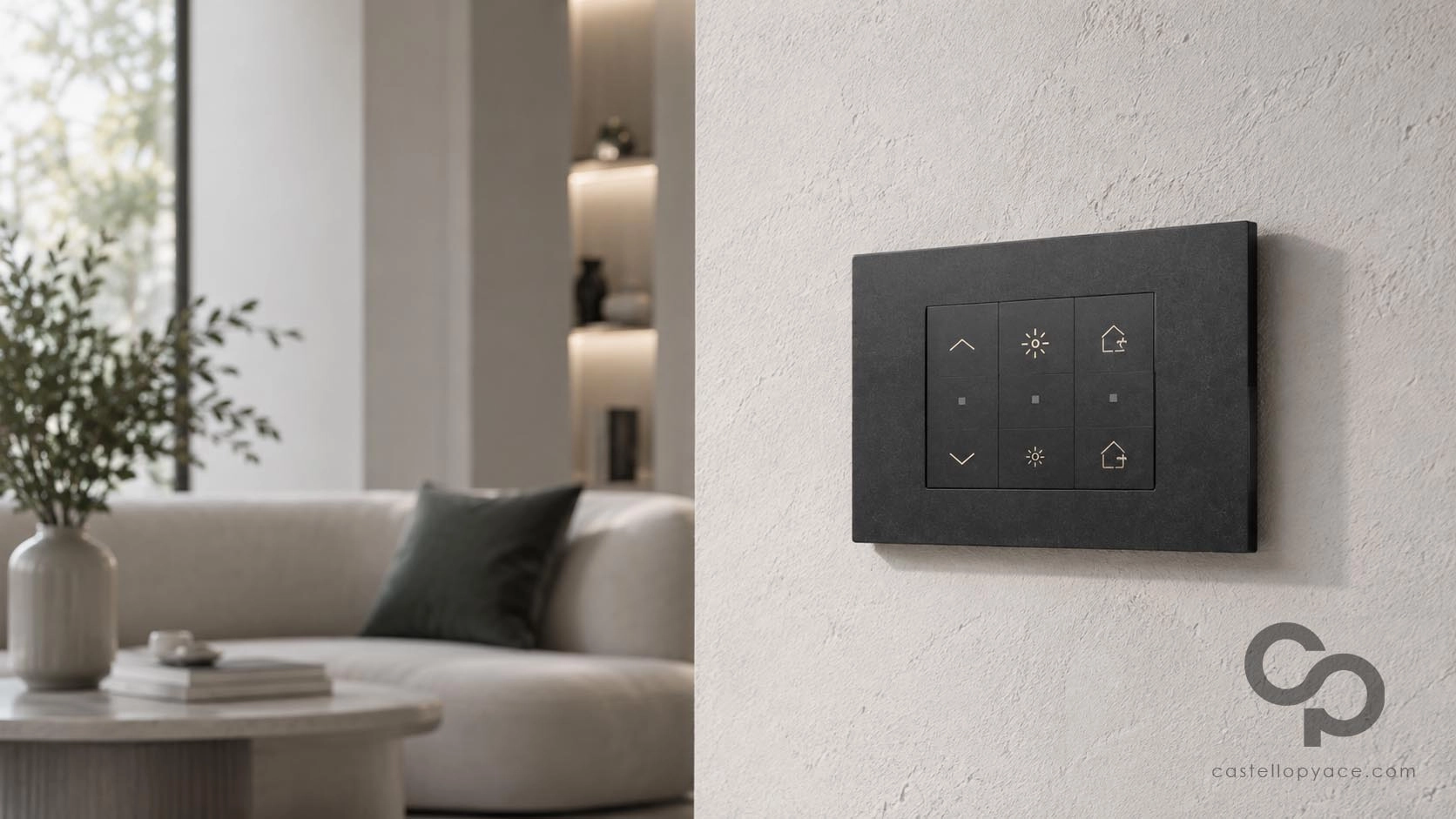
Depending on the project, these systems may include dimmers, wall-mounted control panels, occupancy sensors, daylight sensors, and smart home interfaces.
For example, a residential lighting system may provide separate settings for different activities:
-
A daytime setting that makes greater use of natural light.
-
An evening setting with reduced ambient illumination.
-
A reading setting that increases task lighting.
-
An entertaining setting that highlights selected architectural and decorative features.
Smart lighting controls can also automate certain operations. Occupancy sensors can respond to the presence of people, while daylight-responsive controls adjust electric lighting according to the available natural light.
The U.S. Department of Energy identifies occupancy sensing and daylight-responsive dimming as established lighting control strategies. However, their effectiveness depends on appropriate system selection, positioning, and setup.
When planning integrated lighting, compatibility between fixtures, drivers, dimmers, and control protocols should be checked before installation. This is especially important when lighting is integrated into a wider home automation system.
How to Choose Architectural Lighting for Luxury Interiors
In luxury residential projects, lighting should be considered alongside the architecture, materials, and interior finishes. Selecting fixtures based only on appearance can result in a design that looks attractive in isolation but does not work well within the completed space.
A more effective approach begins with understanding the intended function of each area.
For living rooms, a combination of ambient lighting, decorative pendants, and discreet accent fixtures can create different atmospheres. In kitchens, task lighting should receive particular attention, especially around worktops and islands. Bedrooms often benefit from softer ambient illumination and independently controlled reading lights.
Material selection is another important consideration. Natural marble, polished metal, glass, and textured stone respond differently to light. A directional light may reveal the surface texture of a stone wall, while an overly intense source can create unwanted reflections on polished finishes.
The fixture itself should also suit the architectural language of the project. Minimalist interiors may benefit from discreet recessed or integrated lighting, whereas more expressive spaces can accommodate sculptural pendants, chandeliers, or decorative wall fixtures.
For larger projects, maintenance and long-term performance should also be considered. The availability of replacement components, access to drivers, dimming compatibility, and the expected operating conditions can all influence the choice of lighting products.
The Role of Lighting Brands in Architectural Design
International lighting brands each balance technology, materials, craftsmanship, and visual design in their own way. For architects and interior designers, understanding these differences can help when selecting products that complement a project's architectural direction.
CASTELLO PYACE brings together a selection of international brands relevant to luxury construction and interior design, including Vimar, Alphabet, Baccarat, Barovier&Toso, Terzani, Belux, Italamp, Fede, Lasvit, and Kreon.
These names are a useful starting point for exploring everything from architectural and integrated solutions to more distinctive decorative pieces.
That said, the right choice depends on what the project actually needs. A visually striking chandelier may be suitable for a grand entrance, while a discreet integrated lighting solution may be more appropriate for a contemporary residential interior.
CASTELLO PYACE was established to address the need for a specialized resource in the luxury building industry, bringing together international brands and supporting architects and designers through their creative work. It aims to work honestly and to keep its service quality high.
Looking at lighting products as part of the wider architectural concept makes it easier to judge whether each one belongs in the finished space.
How to Plan Architectural Lighting for a Building
Good lighting starts before any fixture is bought or installed. Planning early gives architects, interior designers, and lighting specialists more control over the final result.
A practical planning process usually moves through these stages:
1. Understand the purpose of each space. Identify the activities that will take place in every room and determine the type of illumination they require.
2. Study the architecture and natural light. Consider ceiling heights, window positions, room proportions, surface finishes, and the direction of daylight.
3. Establish the lighting layers. Decide where ambient, task, and accent lighting are needed and how they should work together.
4. Select appropriate fixtures and specifications. Review light output, color temperature, CRI, beam angle, glare control, and dimming compatibility.
5. Coordinate lighting with other building systems. Check the location of electrical points, ceiling details, control panels, and smart home components before construction is completed.
6. Review the design before installation. Where possible, use lighting simulations, product samples, or mock-ups to understand how the proposed fixtures will perform with the actual materials and finishes.
This process reduces the risk of having to make major changes after ceilings, walls, and other interior elements are finished.
Conclusion
Architectural Lighting helps create spaces that work well, feel comfortable, and look good. When ambient, task, and accent lighting are combined with careful fixture selection, natural light, and suitable controls, architects and designers can show a building at its best.
Expensive fixtures alone rarely make a lighting scheme succeed. A good result starts with a clear understanding of the architecture, the people using the space, and the atmosphere the design aims to create.
In luxury residential and commercial projects, carefully selected international brands can help turn that vision into a cohesive result. CASTELLO PYACE gives architects and designers access to a curated portfolio of international brands they can consider for their projects.
[email protected]