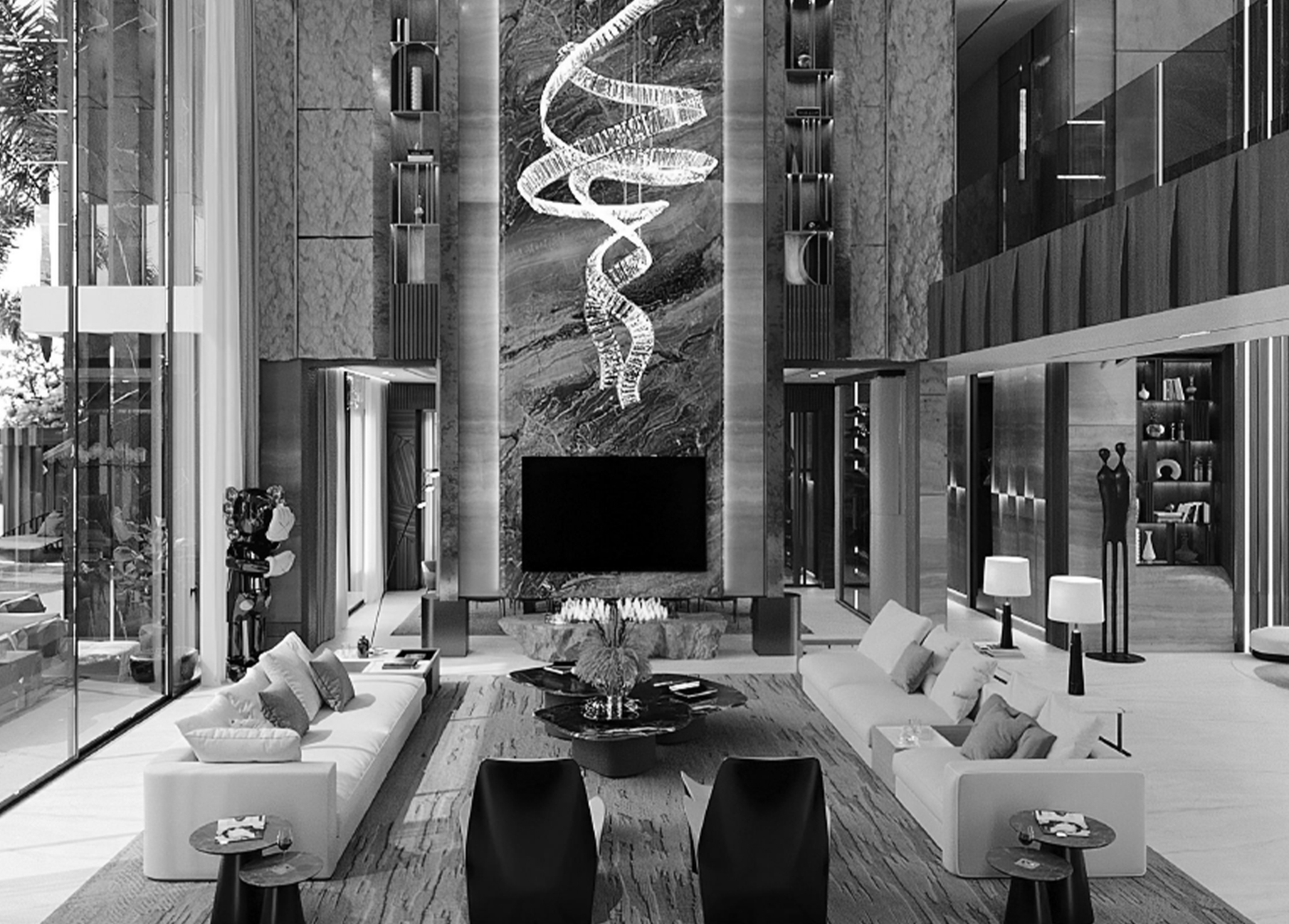
Dubai Design Week 2026: Dates, Exhibitions & Highlights
For six days in November, Dubai Design District shifts from a creative business hub into a much broader public showcase of architecture, interiors, product design, installations and new ideas. Dubai Design Week 2026 takes place from 3 to 8 November at Dubai Design District (d3), bringing designers, studios, brands and curious visitors together through exhibitions, talks, workshops, commissions and large-scale installations.
It does not work like a conventional design fair. Some parts are built around experimentation and cultural exchange; others are practical, interactive or commercially focused. Its anchor fair, Downtown Design, runs from 4 to 8 November and concentrates on contemporary furniture, interiors, products and design solutions.
Because the programme is spread across d3, it helps to understand how the parts fit together before deciding what to see.
Dubai Design Week 2026 dates and location
The 12th edition of Dubai Design Week is scheduled for 3–8 November 2026 at Dubai Design District (d3), Dubai, UAE. The official programme spans six days and includes installations, new commissions, exhibitions, talks, workshops and a marketplace, alongside Downtown Design.
Dubai Design District suits this kind of event because the festival is not confined to a single exhibition hall .Installations and activities can extend into public areas, while exhibitions, workshops and commercial showcases occupy different spaces around the district.
For visitors travelling by public transport, Dubai Design District says its nearest Metro station is Dubai Mall Metro Station, with RTA Bus Route D03 serving d3. Taxis, ride-hailing services and several parking options are also available.
When planning a visit, note that Dubai Design Week and Downtown Design do not have identical dates .The wider festival begins on 3 November, while Downtown Design is scheduled for 4–8 November.
What is Dubai Design Week?
It is hard to sum up as simply a design exhibition. Dubai Design Week describes itself as the region's leading design festival, with a programme designed to bring together creative practitioners, encourage exchange and explore the role design can play in shaping the future. It places particular emphasis on voices from West and South Asia and the wider Global South.
The programme reaches across architecture, interiors, product design, spatial practice and other creative disciplines. That range matters for visitors: you do not need to be an architect or interior designer to find something relevant.
A typical visit might move from an architectural installation outdoors to a curated exhibition, followed by a hands-on workshop or design talk. Someone working professionally in interiors may spend more time at Downtown Design, while a visitor interested in experimental architecture could concentrate on installations and Urban Commissions.
The official 2026 framework includes Abwab, Urban Commissions, Installations, Exhibitions, Workshops, Activations, Marketplace and Downtown Design.
What will you see at Dubai Design Week 2026?
What makes the festival interesting is how different its formats are from one another. A finished chair or lighting collection answers a very different design question from a temporary pavilion, experimental material or public-space intervention.
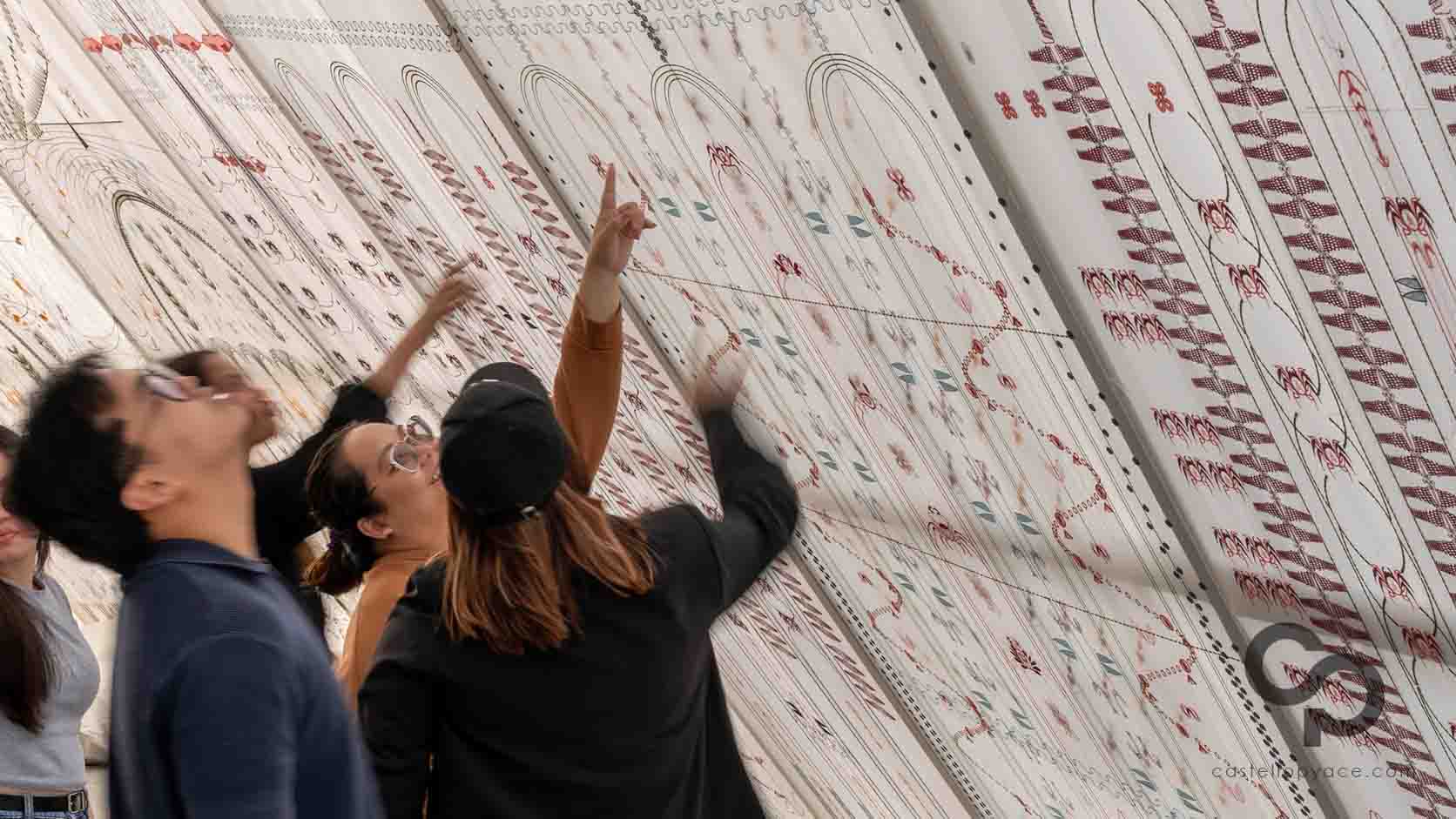
Large-scale installations are one of the core elements. Designers and architects use public spaces across d3 for built environments that allow visitors to encounter ideas at architectural scale rather than simply viewing objects on display.
The exhibitions take a more curated approach. They can bring together projects around particular themes, disciplines or conversations, creating room for both established practitioners and emerging designers. The wider programme also includes activations, which cover immersive projects, collaborations and special presentations by designers, brands, institutions and other creative participants.
For visitors who prefer participation to observation, the workshop programme adds a practical dimension. Workshops are hosted through a pop-up Maker Space and are intended to develop skills across different design disciplines, with sessions led by professionals, facilitators and creative practitioners.
The result is a programme where "design" can mean a commercially available product in one space and an experimental response to a social, material or architectural question in another.
Abwab 2026: design as a language
One of the clearest examples of Dubai Design Week's regional focus is Abwab. The name means "doors" in Arabic, and the programme has supported practitioners from West, South, Southeast and East Asia as well as Africa. More than 180 designers have participated in Abwab to date, according to Dubai Design Week.
For 2026, the format is changing. Rather than presenting separate individual pavilions, Abwab returns as a curated group exhibition titled “In Other Words.”
Its subject is language — but interpreted through design rather than limited to written or spoken words. The programme looks at how meaning is communicated, translated, remembered and sometimes misunderstood through elements such as signs, interfaces, gestures, oral histories, symbols, scripts and built environments.
That opens the exhibition to a broad mix of disciplines, including typography, graphic and spatial design, architecture, sound, performance, publishing, research and digital media.
Abwab will appeal most to visitors who see design as culture and communication rather than only as finished products
Urban Commissions 2026 explores “Atmospheres”
Shape is only one part of how we experience architecture. Temperature, light, sound, texture, movement and the sequence of spaces can all change how a place feels before a visitor consciously analyzes its design.
That idea sits behind Urban Commissions 2026, whose theme is “Atmospheres.” The annual programme focuses on infrastructure and public space within Dubai Design District, and the 2026 open call invited architects, spatial practitioners and interdisciplinary designers to develop pavilion-scale installations.
The brief asks participants to consider how spatial conditions can affect movement, mood, attention and collective use of public environments. Rather than treating an installation purely as an object to look at, the approach encourages designers to create an environment that visitors physically experience.
This matters most if you are drawn to the architecture side of Dubai Design Week. Urban Commissions connects design with questions about how people gather, move through shared spaces and respond to their surroundings.
Exhibitions and installations to watch in 2026
Since the individual projects are spread across the festival, it is better to draw up a "must-see" list of installations once the complete programme and schedule are confirmed
The overall framework visitors can expect is already known. Installations remain a core festival component, transforming public spaces across d3 through large-scale built work. Curated exhibitions focus on design themes, talent and cultural exchange, while activations provide space for more immersive collaborations and presentations.
Keep this difference in mind when you browse the final Dubai Design Week schedule. An installation may be worth prioritizing for its spatial or material experimentation, while an exhibition can provide more context around a particular designer, region or design question.
The 2026 themes already announced also point toward subjects worth watching. Abwab's exploration of language creates opportunities for visual, sonic and spatial experimentation, while Urban Commissions places sensory experience and public architecture at the centre of its brief.
If you are planning around specific designers or installations, check the official programme again closer to the event, as announcements continue in the run-up to November
Downtown Design Dubai 2026: the commercial heart of the week
Walk from the broader festival programme into Downtown Design, and the emphasis changes.
Downtown Design Dubai 2026 takes place from 4 to 8 November at Dubai Design District (d3). It is the anchor fair of Dubai Design Week and focuses on contemporary, high-quality design, bringing together international manufacturers and brands with studios, independent designers and emerging regional talent.
For architects, interior designers, buyers and other industry professionals, this is where the week's commercial side becomes most visible. The fair presents furniture, interiors, collections and design solutions while creating opportunities to discover suppliers, commission work and build professional connections.
The 2026 exhibitor listings already include companies and studios across furniture, lighting, interiors, appliances, ceramics and other design categories.
The fair also goes beyond product stands. Its programme includes creative concepts, installations and The Forum, which hosts talks, panel discussions and keynotes. The UAE Designer Exhibition returns in 2026 as a platform for emerging UAE-based creative talent, with an emphasis on visibility, professional connections and commercial opportunity.
Another confirmed element is the 2026 Tanween Design Programme showcase. Seven UAE-based designers selected by Tashkeel have been developing work through a programme centred on research, experimentation, locally sourced materials and sustainable production, with their designs due to be shown at Downtown Design.
Visitors can also expect a dedicated showcase examining Memphis, the influential design movement associated with Ettore Sottsass and the bold use of colour, pattern and geometry. The showcase is confirmed for Downtown Design from 4–8 November.
Dubai Design Week vs Downtown Design: what is the difference?
The easiest way to tell the two events apart is by their scope.
Dubai Design Week is the wider festival; Downtown Design is a design fair within that festival.
Dubai Design Week spreads across a broader cultural and creative programme, encompassing exhibitions, public installations, commissions, workshops, talks, activations and a marketplace. It suits visitors who want to explore design as an artistic, social, architectural and experimental discipline.
Downtown Design is more concentrated on contemporary products, brands, collections and commercially relevant design. It works best for interior and architecture professionals, buyers, collectors, homeowners and visitors interested in sourcing, commissioning or discovering furniture and interior products.
You do not have to choose one or the other. Because Downtown Design takes place at d3 during Dubai Design Week, a well-planned visit can include both.
Workshops, talks, activations and the Marketplace
Not everything at a design festival happens in front of a conventional display.
Dubai Design Week's workshops offer hands-on opportunities across design disciplines, while talks provide a setting for designers, creative practitioners and other speakers to exchange ideas and industry perspectives. Activations add interactive and cross-disciplinary experiences to the programme.
The Marketplace takes a different approach again. It is designed as a curated outdoor retail experience featuring products from designers, producers and homegrown small businesses in the region.
These formats make the festival more accessible to people who are interested in design but do not work in the industry. Instead of spending an entire day moving between formal displays, visitors can combine exhibitions with making, shopping, conversation and outdoor installations.
How to plan your Dubai Design Week 2026 visit
Trying to see everything in a few hours will not work well. The programme covers different spaces and types of experience, so plan around what interests you most.
Here is a practical way to plan it:
Check the programme shortly before visiting. Individual exhibitions, installations, talks and workshops may have specific schedules or registration requirements.
Choose your priorities first. Architecture and experimental design point toward installations, Abwab and Urban Commissions; furniture and interiors make Downtown Design particularly relevant.
Allow time to walk around d3. Some of the appeal comes from encountering public installations and activations between scheduled events.
Check access requirements for individual events. Do not assume that admission conditions are identical across the entire week.
Downtown Design has its own ticketing system. For 2026, its official visitor page lists a single-day public ticket at AED 80 and a four-day ticket at AED 150. General public hours are currently listed as 12:00–20:00 from Thursday 5 November through Saturday 7 November and 12:00–18:00 on Sunday 8 November; Wednesday 4 November is allocated to press and VIP previews.
Schedules and participation details may still change before November, so check the official event pages just before your visit rather than relying on an older saved itinerary.
Who should visit Dubai Design Week?
The festival suits several kinds of visitors because different parts of the programme speak to different interests.
Design and architecture professionals can use the week for sourcing, networking and following emerging practices. Students and early-career creatives can see how practitioners approach materials, spatial design, communication and product development. Homeowners and design enthusiasts may be more interested in furniture, lighting and interiors at Downtown Design, while general visitors can focus on public installations, exhibitions and interactive activities.
For someone visiting Dubai primarily as a tourist, it can also provide a different view of the city. Rather than approaching design only through finished buildings or luxury interiors, the festival shows the experimentation, debate and creative work behind objects and spaces.
What makes the 2026 edition worth watching?
One thread that stands out in the 2026 programme is the shift between design as an object and design as an experience
Abwab's “In Other Words” treats communication itself as something that can be designed through visual, spatial and sonic forms. Urban Commissions' “Atmospheres” turns attention toward how physical environments affect the way people feel and behave. Downtown Design, meanwhile, grounds the week in products, materials, collections and commercial design practice.
Together, these programmes explain why the event does not fit neatly under a single label like exhibition or trade fair. It can move from conceptual work to a commercially available product, then to a workshop or public architectural installation within the same visit.
Conclusion
Dubai Design Week 2026 runs from 3–8 November at Dubai Design District (d3), with a programme spanning installations, exhibitions, commissions, workshops, talks, activations, retail and contemporary design. Downtown Design joins the programme from 4–8 November as its commercially focused anchor fair.
If you are planning a visit, start with the type of design you most want to experience and build your schedule around it. Then check the official programme closer to your chosen date for newly announced designers, exhibitions, installations, talks and access details.
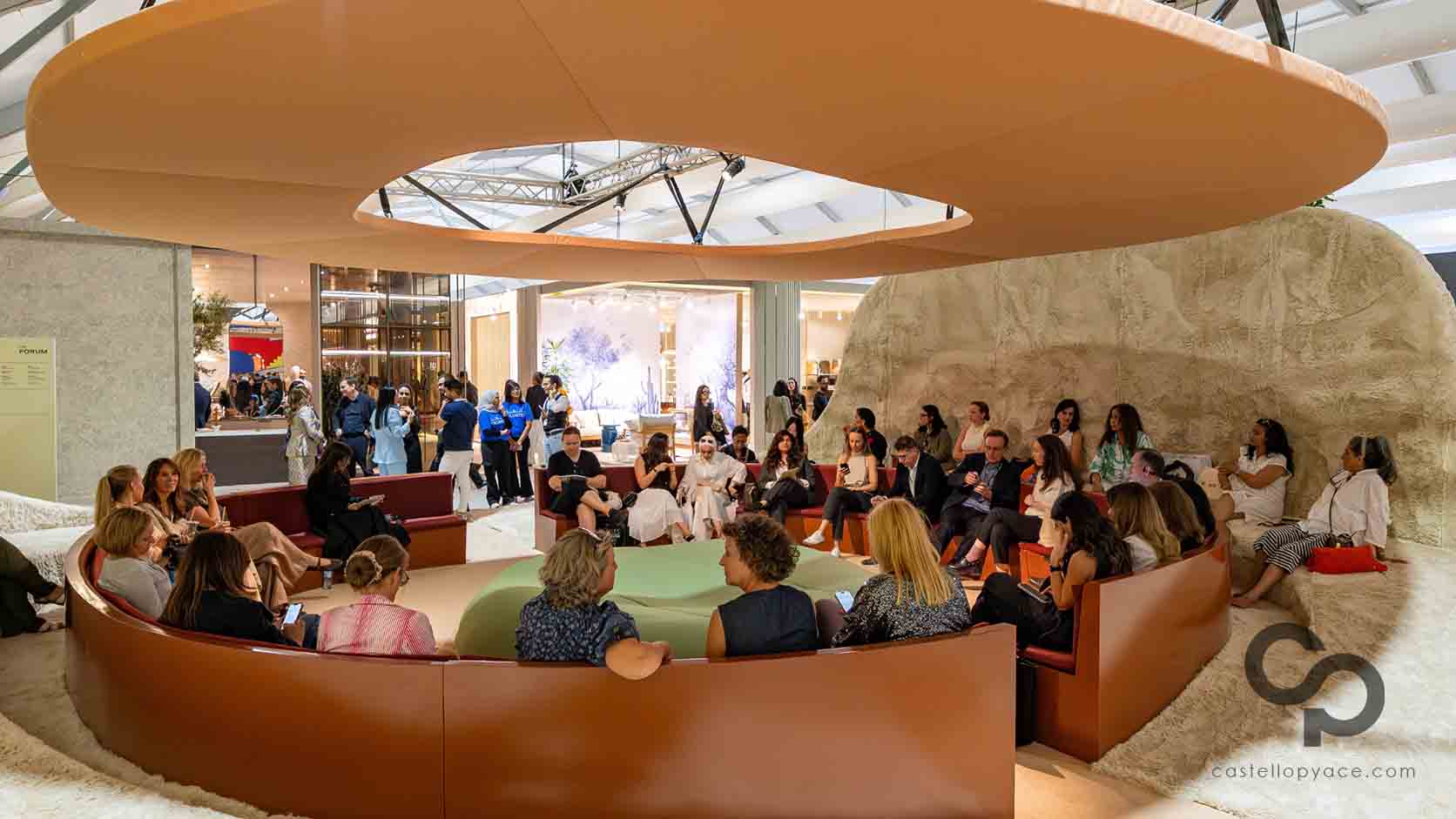
images by @castello
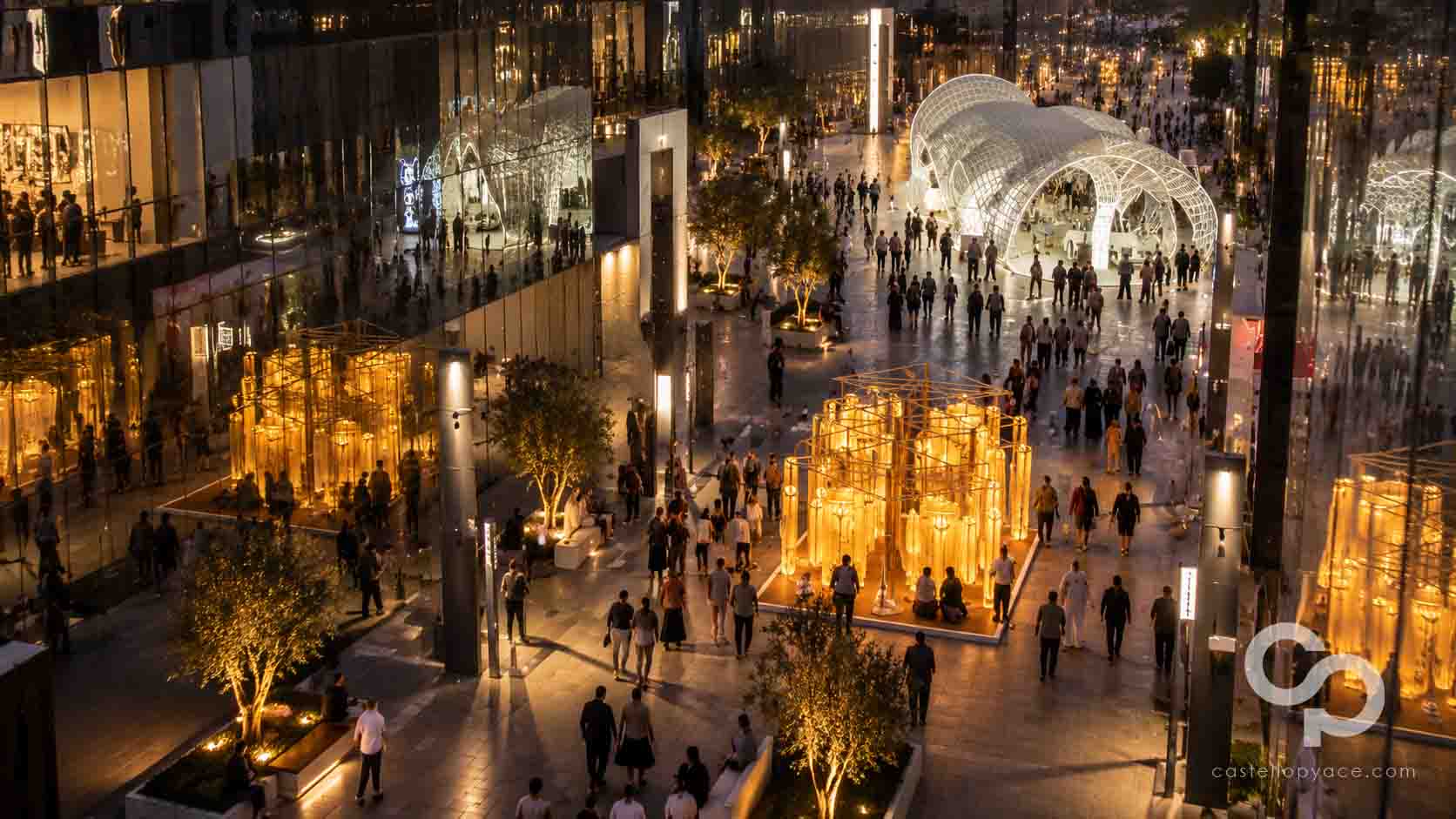
images by @castello
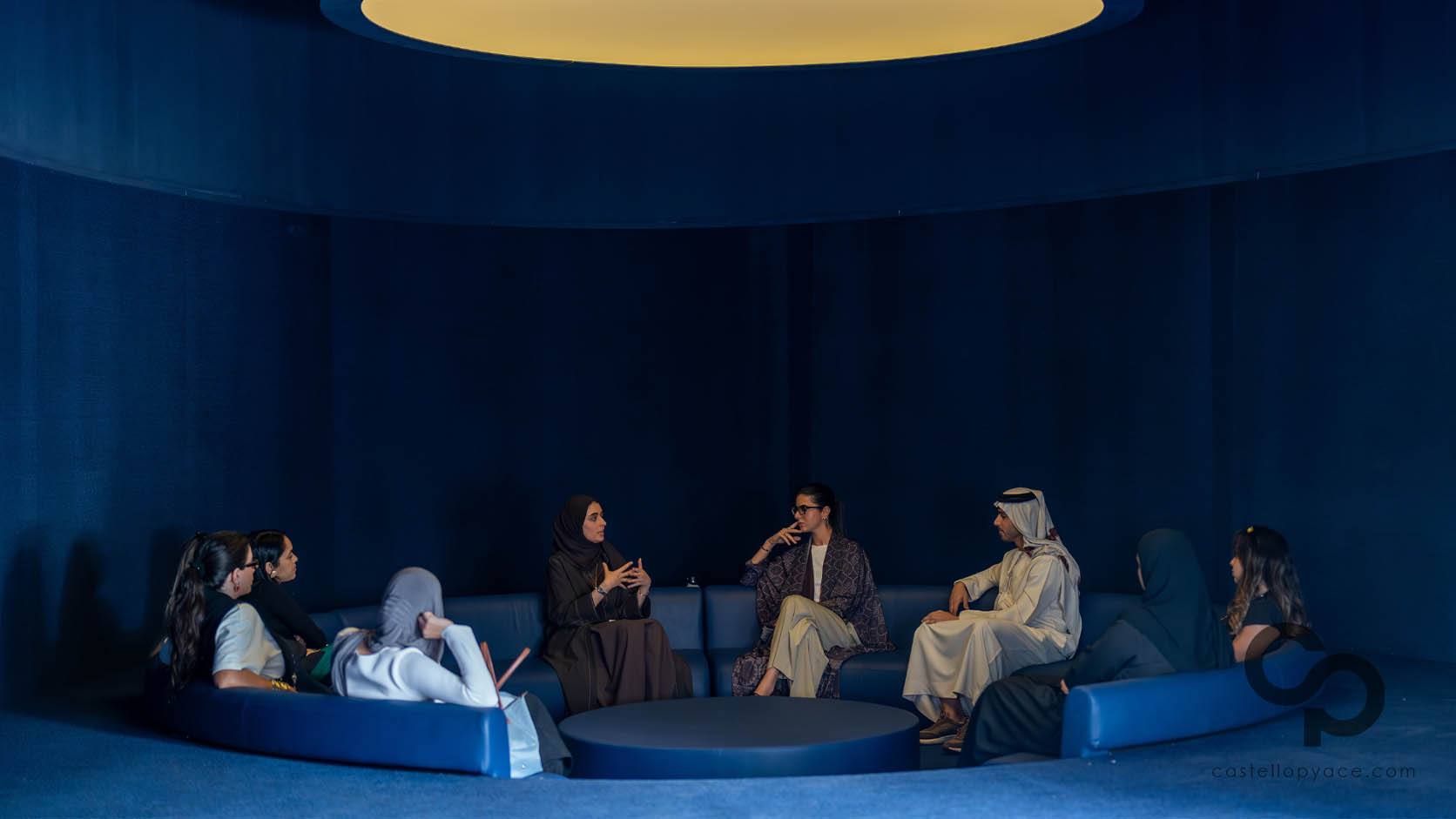
images by @castello
images by @castello